
Pollution of surface waters by nutrients, especially nitrogen and phosphorus compounds, represents a serious environmental problem. Excessive phosphorus concentrations lead to eutrophication, causing rapid growth of cyanobacteria and algae, deterioration of water quality, and oxygen depletion resulting in the death of aquatic organisms. In the European context, legislative limits for nutrient discharge from wastewater treatment plants are therefore being progressively tightened.
Tertiary Treatment Solutions for WWTPs
In response to stricter nutrient regulations, particularly for phosphorus, it is essential to implement effective tertiary treatment methods in wastewater treatment plants. The goal is to achieve maximum phosphorus removal efficiency with minimal costs and energy consumption.
Two advanced technologies with upstream phosphorus precipitation using iron-based coagulants — lamella separators and continuous sand filters — represent efficient and field-proven tertiary treatment solutions for municipal WWTPs.
Standard biological treatment stages do not remove phosphorus sufficiently; therefore, a tertiary polishing stage must be added when higher removal efficiency is required. One proven method is the combination of separate chemical phosphorus precipitation in biologically treated wastewater and lamella sedimentation, which provides a technically and economically effective solution. This method allows for maximum phosphorus removal, stabilization of nitrification, and reliable compliance with effluent limits.
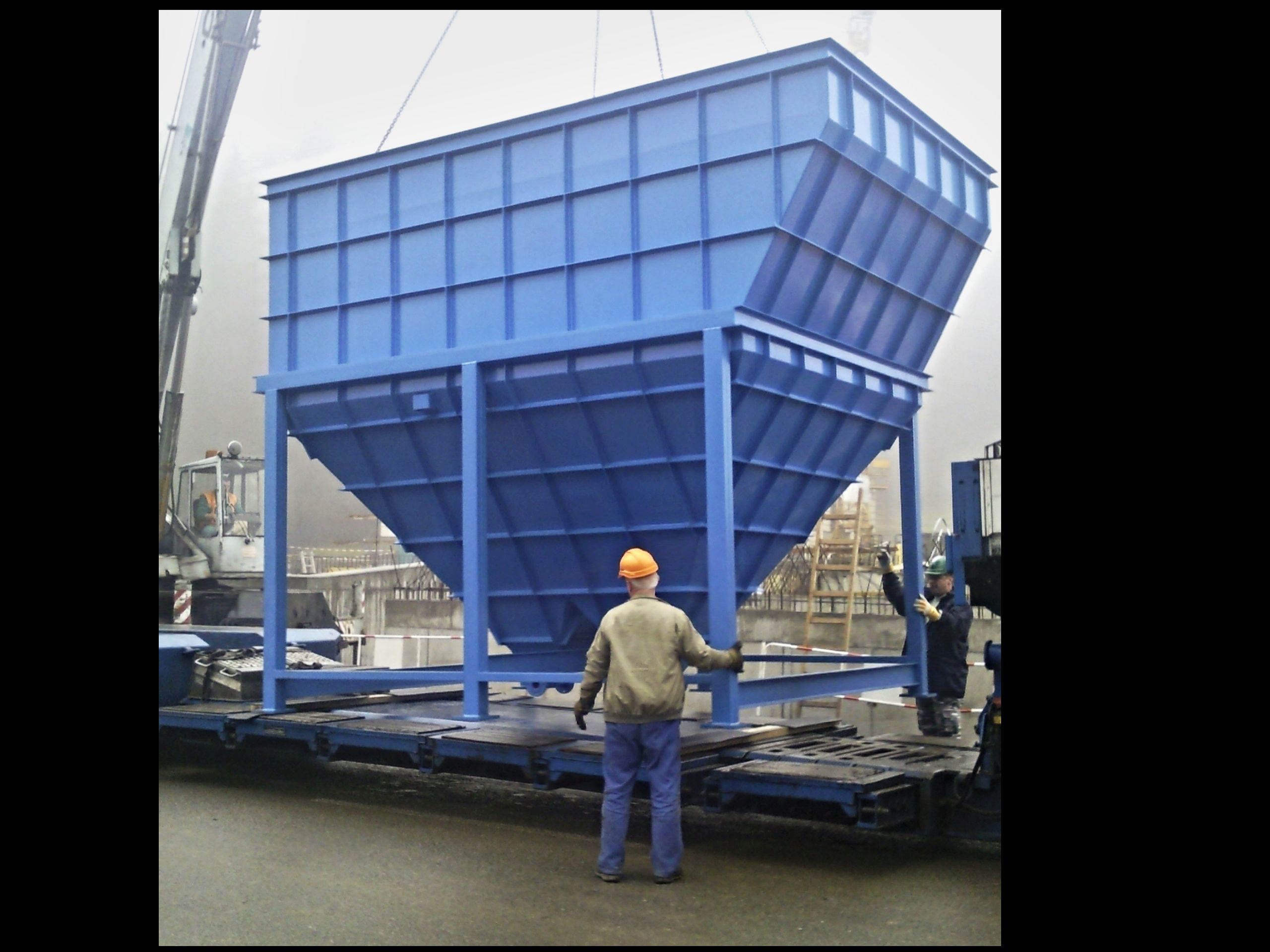
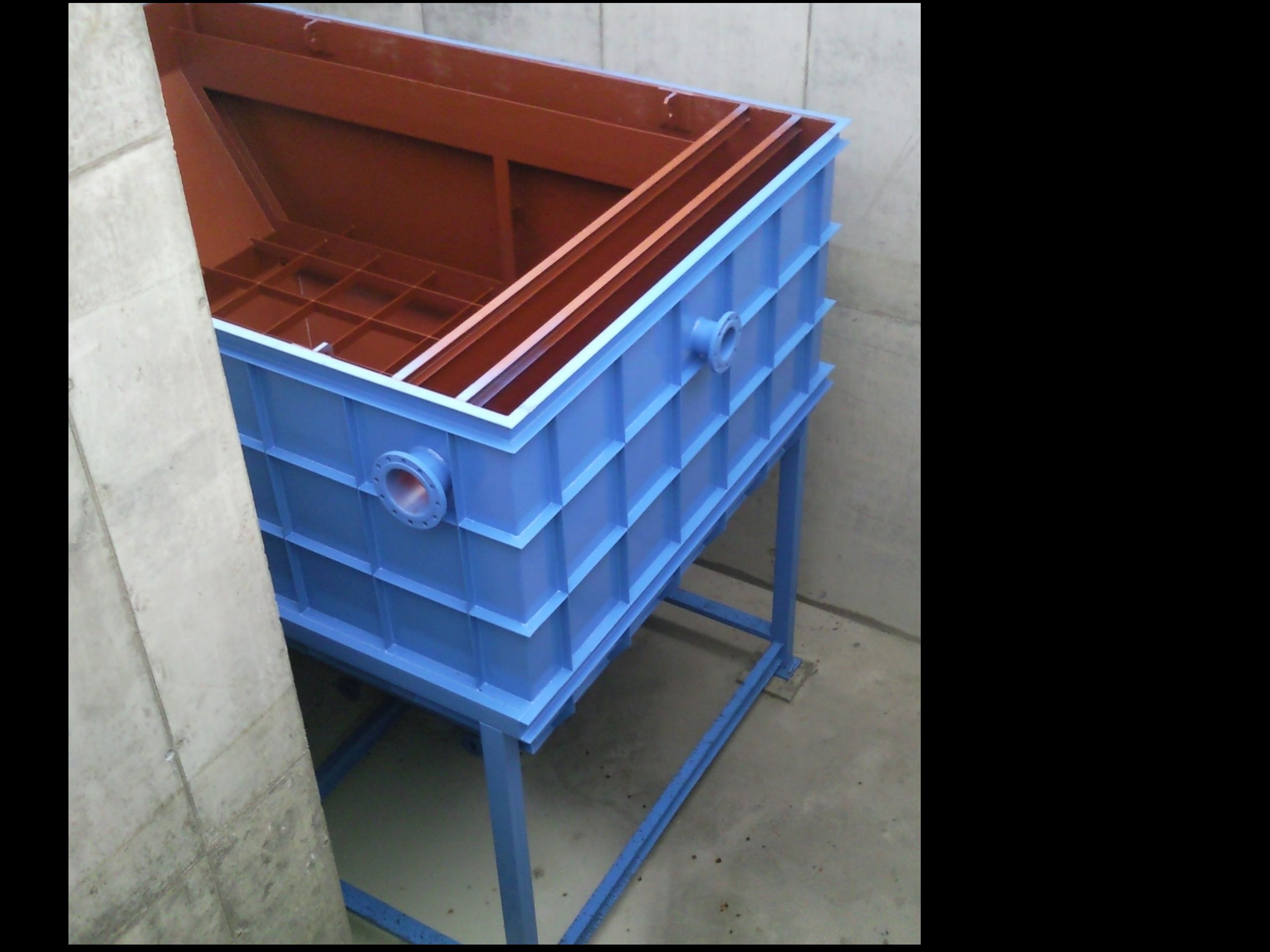
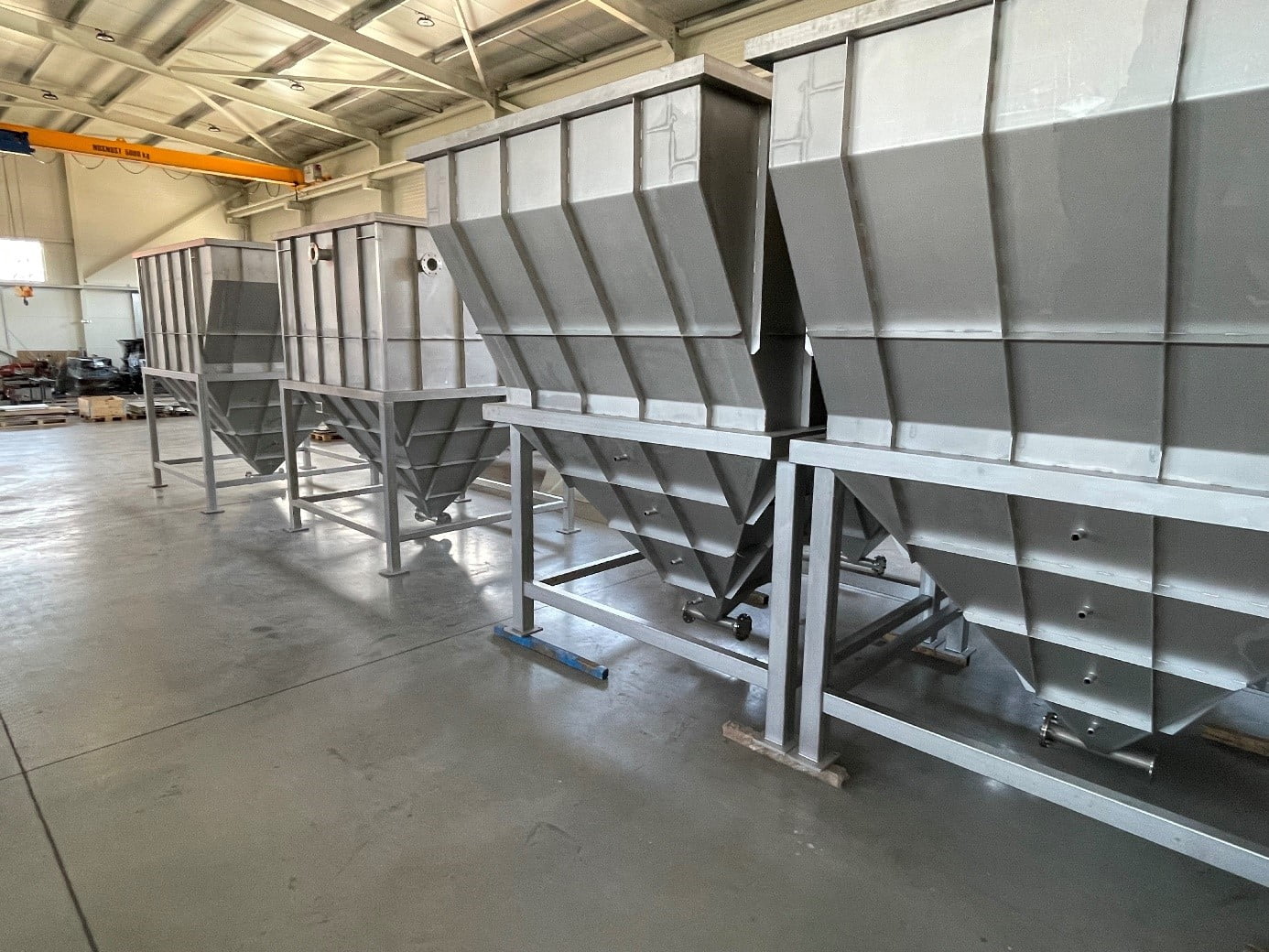
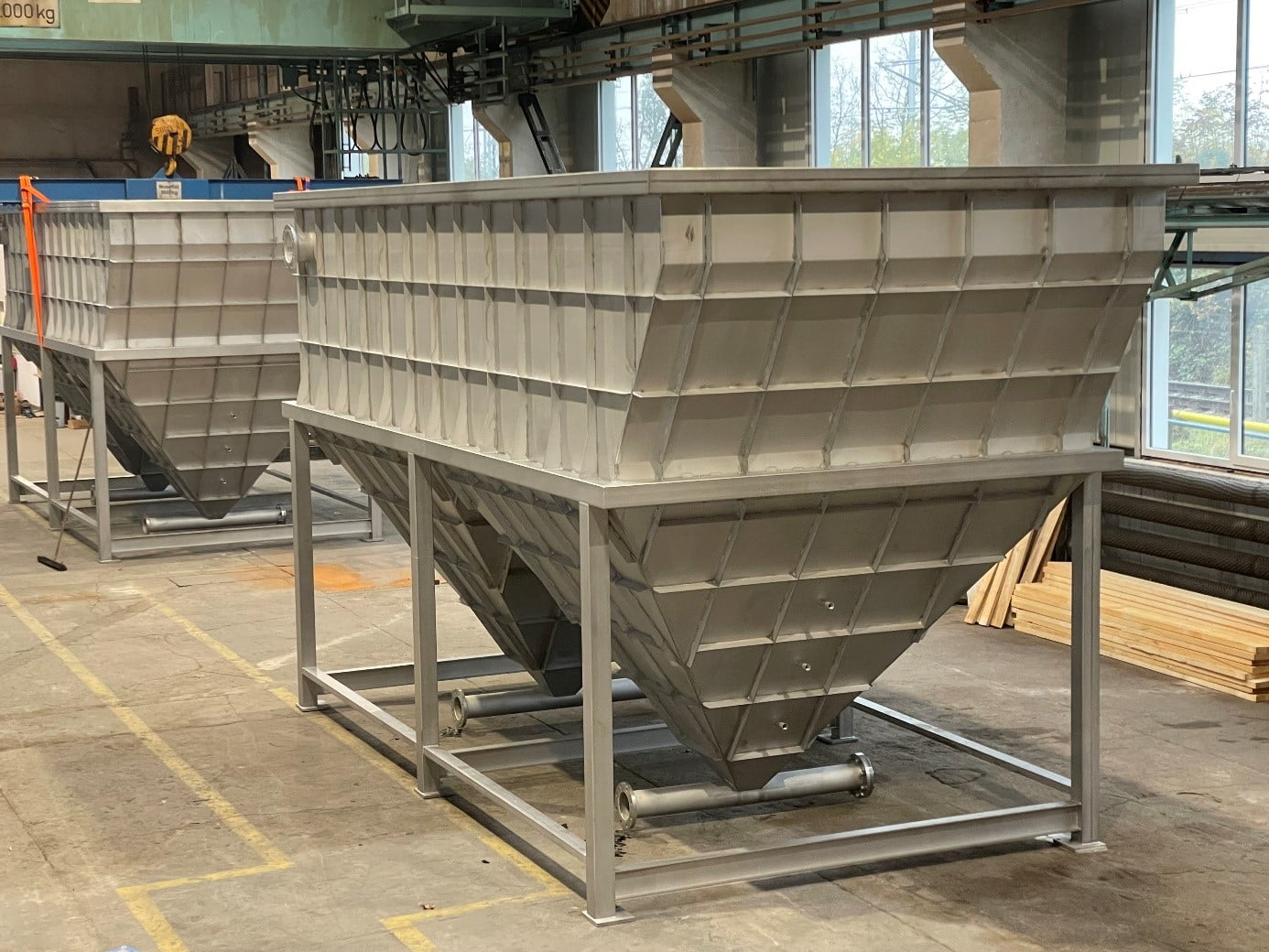
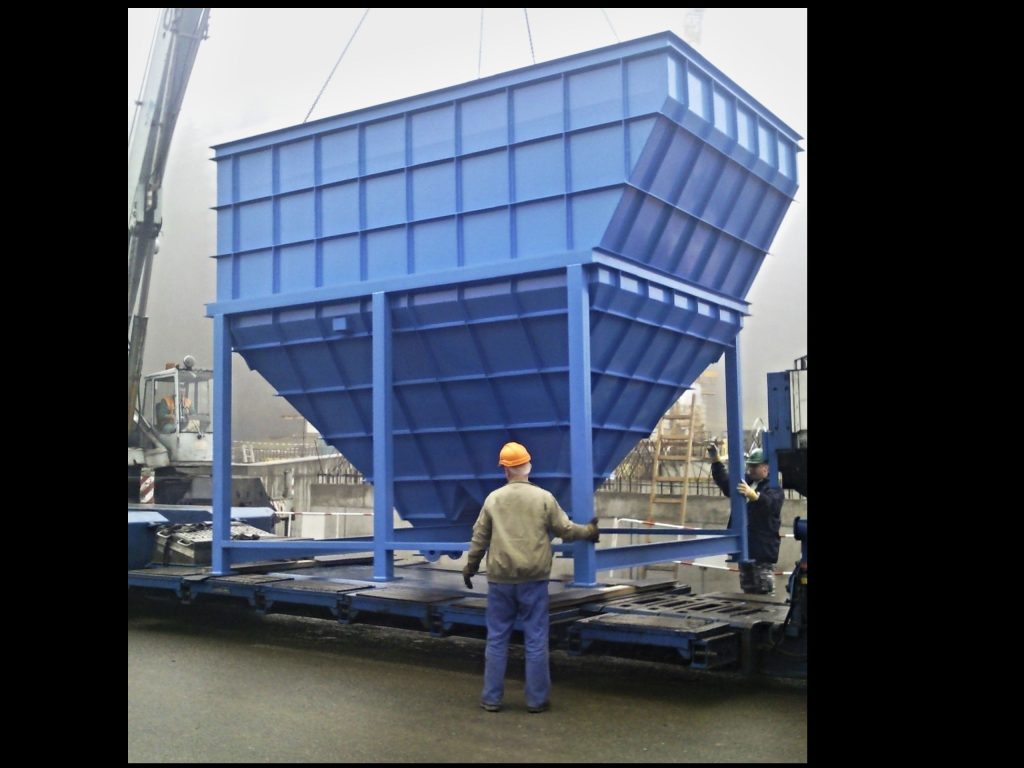
Lamella separators are equipped with internal lamella modules that significantly increase the effective settling area — depending on the type of lamellae, up to 15 times more compared to a simple sedimentation tank. In practice, chemical precipitation is applied most efficiently in the tertiary stage, where water from the secondary clarifier is directed into a separate reactor with coagulant dosing. Sedimentation then takes place in the lamella separator, and sludge is discharged for further processing.
The result is:
- a compact solution suitable even for WWTPs with limited space,
- increased efficiency of suspended solids separation,
- low energy demand and low operational costs, with electricity consumption limited primarily to chemical dosing,
- achievement of required phosphorus concentration limits and significant reduction of eutrophication risk.
Lamella settlers can be supplied in various materials — carbon steel with protective coating, stainless steel, or polypropylene — depending on the application and chemical resistance requirements.
Real Application at a Wastewater Treatment Plant
A model example is a project implemented at a 2,100 PE WWTP in a karst area, where very low effluent phosphorus concentrations are required. The lamella settler is installed after the secondary stage and is preceded by a coagulation reactor with coagulant dosing and a mixer for floc formation. The water–floc mixture enters the calm zone of the lamella settler, where aggregated particles are guided along the lamella surfaces and sediment into the sludge hopper.
Results of the Tertiary Treatment Installation
- without chemical precipitation and tertiary treatment, phosphorus removal efficiency would be only ~35%,
- with the lamella settler, the average efficiency increased above 90%,
- effluent total phosphorus concentrations remain consistently below 1 mg/l,
- long-term stable operation with almost zero operating costs.
Installation of a lamella settler does not require extensive civil works and, thanks to high efficiency, can replace conventional sedimentation tanks.
The combination of separate chemical precipitation and lamella sedimentation represents a compact and highly effective tertiary treatment solution for WWTPs. The technology minimizes both investment and operational costs while reducing eutrophication risk in receiving waters. Practical applications confirm that ENVITES lamella settlers are a long-term reliable solution not only for meeting legislative requirements but also for protecting the environment.
Continuous Sand Filtration
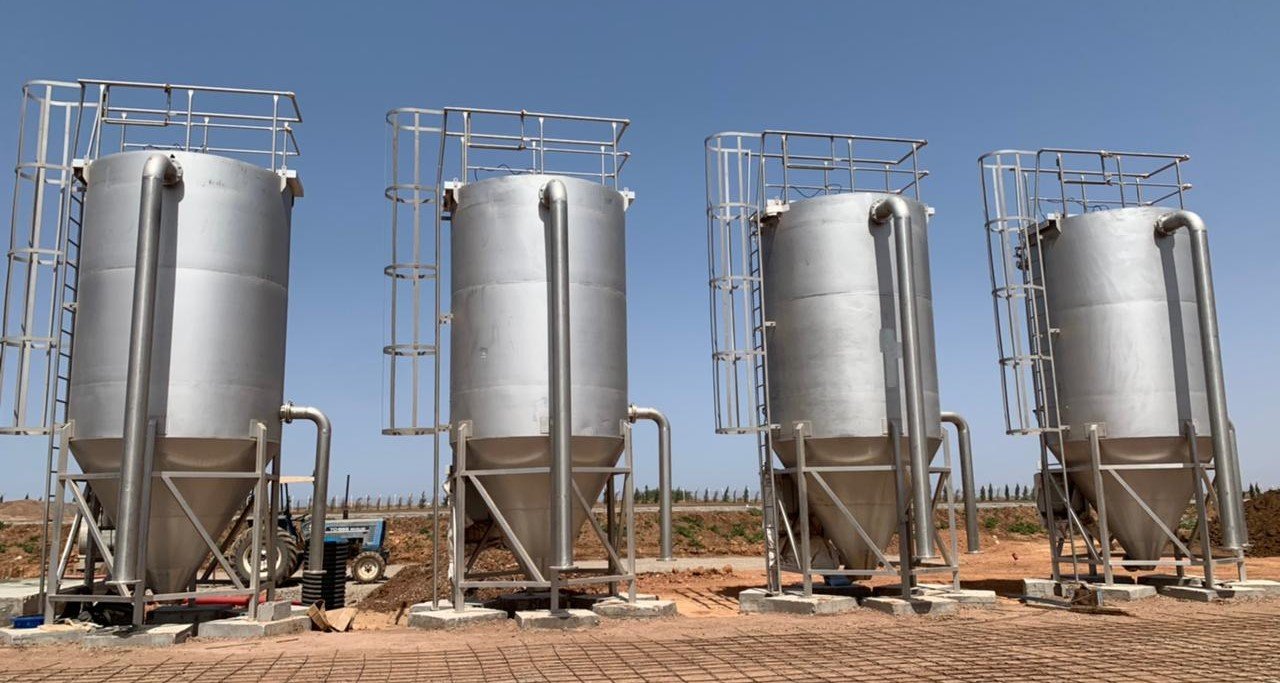
Another option for tertiary treatment is the use of continuous sand filtration, which is suitable for highly efficient and low-cost polishing, especially where minimal energy consumption and simple maintenance are important.
Continuous sand filters offer an energy-efficient solution for advanced water polishing and reduction of suspended solids. The process ensures filtration of precipitated phosphorus-containing flocs with minimal energy demand and easy maintenance.
Continuous sand filtration is a technology with extremely low energy consumption; these filters do not require backwash pumps because the washing function is integrated inside the system.
ENVITES-manufactured process units represent reliable and proven solutions. With 35 years of experience in water treatment and sludge management, ENVITES produces a wide portfolio of technological equipment.
We offer our customers a comprehensive range of products and process solutions for engineering applications as well as water treatment and purification, including expert consulting.